Infrastructure and DevOps: How Modern Systems Stay Scalable, Secure, and Reliable
 Muhammad Umer
What Infrastructure and DevOps Mean in Modern Software
Infrastructure and DevOps form the operational backbone of modern software systems. As applications grow more complex and user expectations increase, organizations must rely on reliable infrastructure and disciplined operational practices to keep systems running smoothly.
Infrastructure refers to the servers, networks, storage systems, and cloud platforms that host software. DevOps refers to the practices and automation that connect software development with system operations.
Together, Infrastructure and DevOps create an environment where applications can be built, tested, deployed, and maintained with consistency and speed.
Instead of treating development and operations as separate responsibilities, this approach unifies them through shared workflows and automated systems.
The result is fewer errors, faster deployments, and greater system reliability.
Modern businesses depend on software for nearly every function, from customer-facing services to internal operations.
When infrastructure is weak or operational processes are manual, outages become more frequent, and recovery takes longer. Infrastructure and DevOps provide the structure needed to prevent these failures and respond quickly when problems arise.
“Infrastructure and DevOps also change how teams think about ownership. Developers are no longer isolated from production systems, and operations teams are no longer only responsible for stability.”
Both groups work together to ensure applications perform well under real-world conditions. This shared responsibility improves quality and accountability across the organization.

TL;DR:
- Infrastructure and DevOps combine cloud infrastructure, automation, and CI/CD pipelines to keep systems scalable, secure, and reliable.
- Practices like infrastructure as code, containerization, and Kubernetes orchestration reduce errors and enable faster, consistent deployments.
- Strong DevOps automation improves uptime, reduces deployment risk, and supports cloud cost optimization for growing businesses.
- Monitoring, logging, and cloud security ensure system reliability while helping teams detect and resolve issues quickly.
- CodingKey helps businesses implement Infrastructure and DevOps with scalable cloud environments, automated pipelines, and long-term system stability.
Why Infrastructure and DevOps Matter for Businesses
Infrastructure and DevOps influence more than technical performance. They directly affect business stability, customer experience, and operating costs.
A system that crashes regularly erodes trust and disrupts revenue. A system that deploys updates slowly limits innovation and competitiveness.
With strong Infrastructure and DevOps practices, businesses gain measurable advantages.
- Higher uptime and better system reliability
- Faster release cycles
- Reduced deployment risk
- Improved cloud cost optimization
- Stronger security controls
Cloud infrastructure allows organizations to scale resources based on demand. DevOps automation allows teams to manage that scale without increasing operational complexity. This combination supports growth without sacrificing stability.
Infrastructure and DevOps also support compliance and governance. Automated access controls, environment separation, and logging systems help organizations meet audit and security requirements.
These safeguards are increasingly important as data regulations become stricter and systems become more distributed.
“From a financial perspective, Infrastructure and DevOps reduce waste. Idle resources can be identified and removed. Inefficient pipelines can be optimized. These improvements make IT spending more predictable and aligned with business priorities.”
Core Components of Infrastructure and DevOps
Cloud Infrastructure
Cloud infrastructure replaces traditional on-premise hardware with virtualized resources that can be created and removed on demand. Instead of purchasing physical servers, organizations use managed platforms to host applications and data.
This model improves flexibility, supports geographic redundancy, and enables rapid experimentation.
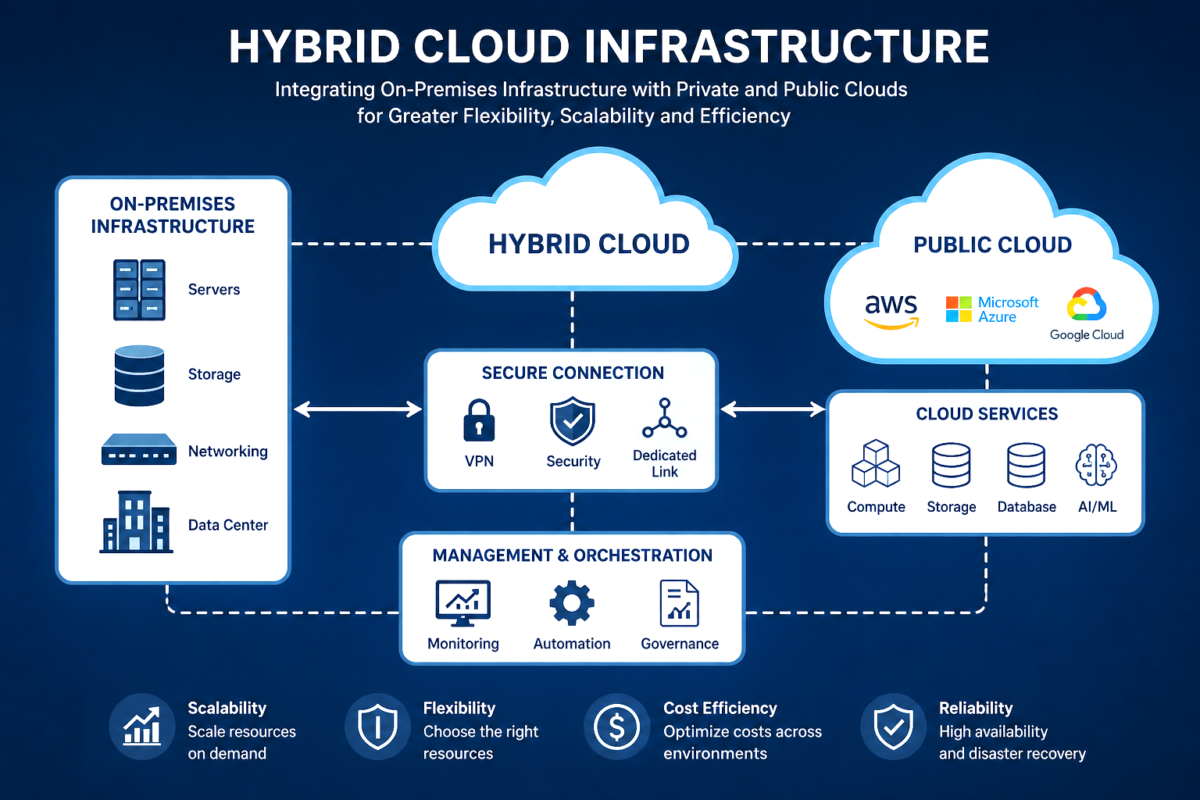
Hybrid cloud infrastructure allows companies to combine private systems with public cloud services. This is useful for organizations that must keep certain workloads on controlled networks while still benefiting from cloud scalability.
Cloud infrastructure forms the foundation on which DevOps automation operates.
A well-designed cloud environment supports scalability in DevOps by allowing workloads to expand or contract automatically.
This prevents performance bottlenecks and ensures that applications remain responsive during periods of high demand.

Infrastructure as Code
Infrastructure as code converts infrastructure configuration into version-controlled files. Instead of manually creating servers or adjusting settings, teams define their environments using scripts and configuration templates.
These templates describe networking rules, compute resources, storage, and permissions.
This approach improves consistency across environments. Development, testing, and production systems can be created from the same definitions.
This reduces configuration drift and makes troubleshooting easier. It also improves auditability because every infrastructure change is recorded in a change history.
“Infrastructure as code supports IT infrastructure modernization by allowing legacy systems to be rebuilt using modern, repeatable processes. It also accelerates disaster recovery because environments can be recreated quickly when failures occur.”
CI/CD Pipelines
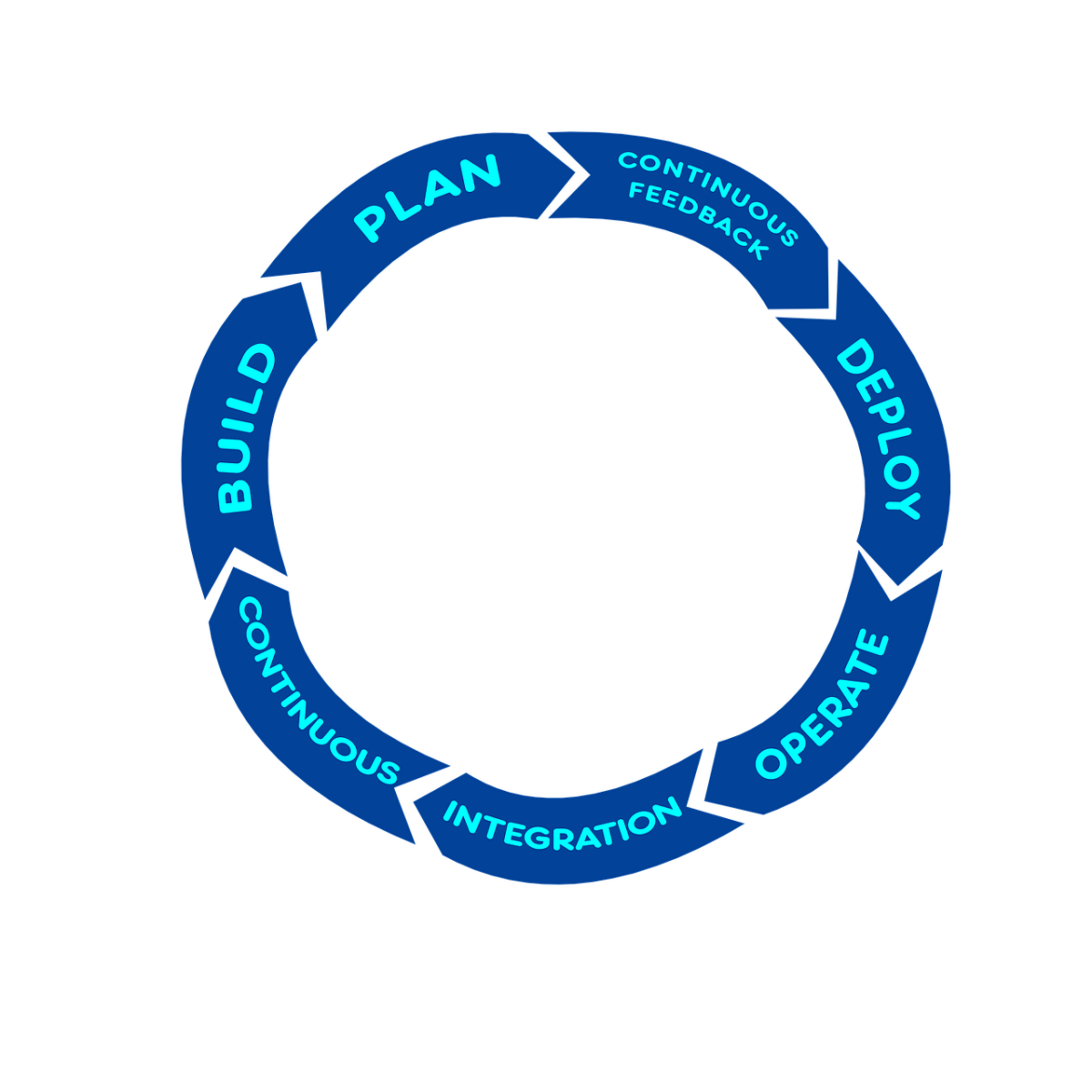
CI/CD pipelines automate the flow of code from development to production. Continuous integration builds and tests software whenever changes are introduced. Continuous delivery prepares applications for deployment through automated workflows.
These pipelines reduce reliance on manual steps, which are prone to mistakes. Automated testing identifies defects early.
Automated deployments ensure consistent release procedures. Together, these processes support deployment automation and reduce downtime during updates.
CI/CD pipelines are essential for cloud-native applications that evolve rapidly. They enable frequent releases without compromising stability. Over time, this leads to shorter feedback cycles and better product quality.
Containerization and Orchestration
Containerization packages applications and their dependencies into isolated units. This ensures consistent behavior across different environments. Containers improve portability and simplify scaling.
Kubernetes orchestration manages containers at scale. It schedules workloads, distributes traffic, and restarts failed components automatically. Kubernetes orchestration also supports rolling updates and rollback strategies, reducing risk during deployments.
Containerization and orchestration allow organizations to adopt cloud-native applications that are resilient and adaptable. They improve scalability in DevOps by enabling systems to adjust resources dynamically based on workload demand.
Monitoring and Logging
Monitoring and logging provide visibility into system behavior.
Monitoring tracks metrics such as CPU usage, memory consumption, response times, and error rates. Logging records application events and system actions.
Together, these tools enable rapid detection of issues and support incident response. When a failure occurs, logs and metrics help teams identify root causes quickly. This reduces recovery time and prevents recurring problems.
Monitoring and logging also support long-term planning. Usage patterns reveal where capacity must be increased or optimized. These insights guide cloud cost optimization and infrastructure planning decisions.
Security in DevOps
Cloud security must be integrated into every stage of delivery. DevOps automation can enforce security policies consistently across environments. Automated scans detect vulnerabilities before deployment. Access controls limit exposure to sensitive systems.
Security within Infrastructure and DevOps supports system reliability by preventing unauthorized changes and reducing the risk of breaches. Configuration management ensures that security settings remain consistent across systems.
Embedding security into pipelines strengthens trust and reduces the likelihood of human error. It also supports regulatory compliance and operational governance.

How Infrastructure and DevOps Improve Software Delivery
Infrastructure and DevOps streamline software delivery by standardizing processes and reducing variability. Automated pipelines replace manual workflows. Standardized environments prevent unexpected behavior between testing and production.
Developers can focus on building features instead of managing servers. Operators can rely on automated systems instead of reacting to emergencies. Collaboration improves because teams share responsibility for delivery outcomes.
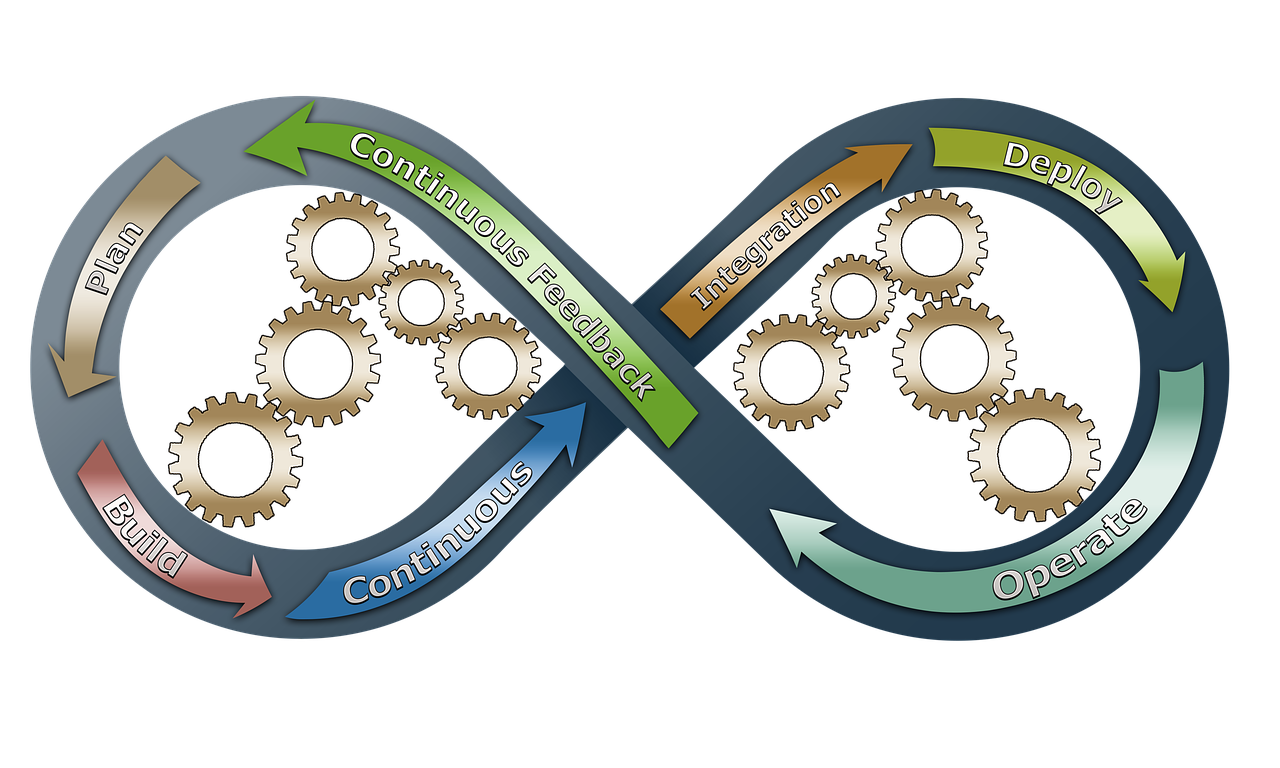
Continuous integration and continuous delivery create a feedback loop where improvements reach users faster. Problems are detected earlier, and fixes are deployed with less risk. Over time, this builds confidence in the release process.
Infrastructure and DevOps also improve rollback and recovery capabilities. If a release introduces an issue, systems can revert to a previous version quickly. This minimizes disruption and preserves service continuity.
Common Infrastructure and DevOps Challenges
Despite the benefits, Infrastructure and DevOps adoption presents challenges. Legacy systems may not support automation easily. Teams may lack skills in cloud platforms or orchestration tools. Documentation may be incomplete or outdated.
Other challenges include
- Inconsistent environments
- Weak governance policies
- Poor visibility into system performance
- Manual configuration management
Without proper planning, automation can amplify errors. Misconfigured pipelines can deploy faulty code at scale. Poor security controls can expose systems to attack.
Successful adoption requires phased implementation. Organizations must train staff, document processes, and standardize environments gradually. Leadership support is also essential to ensure that DevOps best practices are adopted consistently.
Best Practices for Infrastructure and DevOps
Effective Infrastructure and DevOps rely on disciplined execution. Best practices include
- Use infrastructure as code for all environments
- Implement automated testing in CI/CD pipelines
- Establish clear environment separation
- Monitor performance and logs continuously
- Apply cloud cost optimization techniques
- Review security policies regularly
DevOps best practices emphasize transparency and accountability. Changes should be tracked, reviewed, and reversible. Systems should be designed for failure and recovery rather than assuming perfect operation.
These practices build system reliability and reduce operational risk over time.
Infrastructure and DevOps in Cloud-Native Applications
Cloud-native applications are designed to operate in distributed environments. They depend on Infrastructure and DevOps to manage complexity. Containers and orchestration tools distribute workloads across multiple systems. Automated pipelines ensure consistent releases.
Monitoring and logging maintain visibility across components. Infrastructure supports horizontal scaling and fault tolerance. DevOps automation enforces consistency across deployments.
Cloud-native applications demonstrate how Infrastructure and DevOps enable scalability, resilience, and continuous improvement. They highlight the importance of automation and observability in modern systems.
Future Trends in Infrastructure and DevOps
Infrastructure and DevOps continue to evolve. Automation will expand into more operational areas. AI-driven monitoring will improve incident detection and resolution. Security will become more deeply embedded into pipelines.
“Hybrid cloud infrastructure will remain relevant for regulated industries. Configuration management will become more automated. Organizations will increasingly rely on site reliability engineering principles to balance speed with stability.”
Future systems will emphasize proactive operations rather than reactive fixes. This shift will further strengthen system reliability and operational efficiency.
How CodingKey Helps Teams Master Infrastructure and DevOps
Strong Infrastructure and DevOps do not happen by accident. They require structured design, disciplined execution, and continuous improvement.
CodingKey helps organizations build this foundation by designing cloud environments, automating delivery pipelines, and embedding operational best practices into everyday workflows.
CodingKey focuses on Infrastructure and DevOps as a business enabler, not just a technical layer. That means building systems that scale with demand, remain secure under pressure, and support rapid development without compromising stability.
From infrastructure as code and CI/CD pipelines to monitoring, logging, and cloud cost optimization, CodingKey helps teams implement Infrastructure and DevOps in a way that supports long-term growth.
By combining modern tooling with proven delivery processes, CodingKey ensures that software systems are not only functional at launch but also remain reliable and maintainable over time.
This approach reduces operational risk, improves release confidence, and allows businesses to focus on innovation instead of firefighting.
Infrastructure and DevOps are strategic investments. With the right partner and the right practices, they become a competitive advantage rather than an operational burden. CodingKey helps organizations turn Infrastructure and DevOps into a foundation for sustainable digital success.