How Agentic AI Systems Are Redefining Modern Software Development
 Muhammad Umer
How Agentic AI Systems Are Redefining Modern Software Development and Workflows
Software development is standing at a turning point. For years, AI tools have helped developers write faster and debug better, but something much larger is happening now.
A new class of AI is beginning to take shape, one that does not wait for instructions but moves with purpose. These are agentic AI systems, and they are quietly reshaping how software gets built.
Agentic AI systems operate with autonomy. They plan, act, evaluate, and improve without needing human guidance at every step.
This shift is creating new possibilities in software development, especially when teams begin working with multi-agent workflows that can run tasks in parallel.
“In this guide, you will learn what agentic AI systems are, how they compare to traditional AI, and how they are transforming the entire development lifecycle from discovery to deployment.”
TL;DR:
- Agentic AI systems go beyond traditional AI by planning, executing, and improving tasks autonomously, enabling them to handle complex, multi-step development processes without constant human input.
- They transform the entire software development lifecycle by automating everything from requirements gathering and coding to testing, deployment, and ongoing monitoring.
- Multi-agent workflows allow specialized AI agents to collaborate in parallel, significantly increasing development speed and reducing repetitive manual work.
- Enterprises benefit through faster delivery, improved code quality, and efficient modernization of legacy systems, but must address governance, security, and infrastructure readiness before adoption.
- CodingKey helps businesses implement agentic AI systems by building custom multi-agent workflows, automating development pipelines, and aligning AI solutions with real business goals.
What Are Agentic AI Systems
Agentic AI systems are intelligent systems that can think through tasks instead of only responding to prompts. They make decisions based on goals, plan steps independently, and adjust as they move forward.
These systems are built to understand context and continue acting until a job is complete. This is very different from the older reactive style of AI.
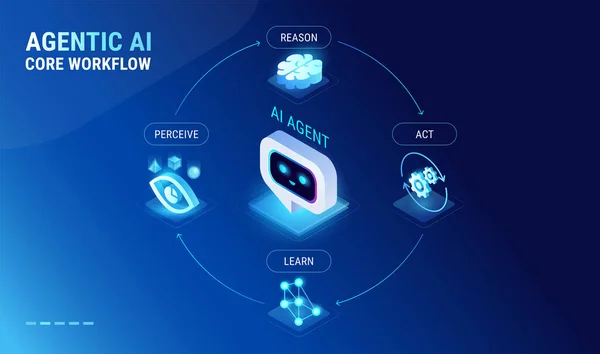
Agentic AI systems work through reasoning loops. They look at a goal, create a plan, act, review what happened, and adjust until they reach a final outcome.
They can perform long-horizon tasks, which means they can handle complex multi-step processes without being told each step manually.
“This makes agentic AI systems useful for real-world software development, where tasks often require long sequences of decisions and continuous updates.”
Developers gain a partner that can handle planning, execution, problem-solving, and improvement in a repeatable way.
How Agentic AI Systems Differ From Traditional AI
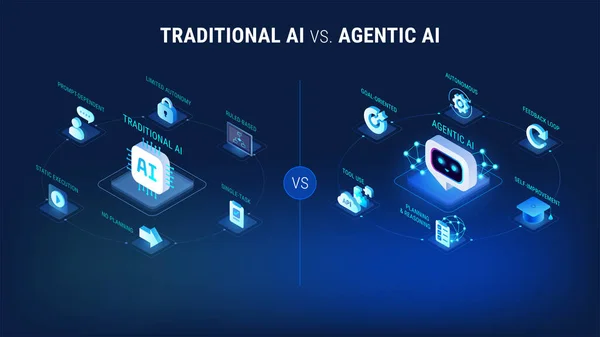
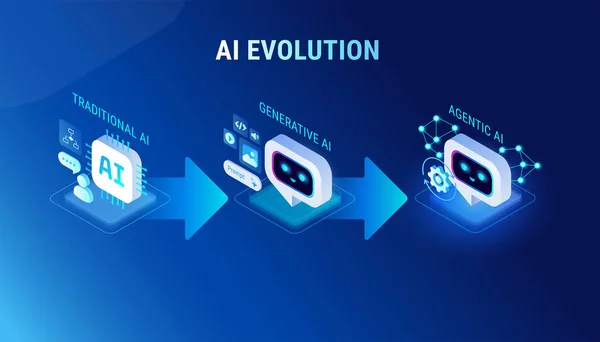
Traditional AI tools work only when given direct instructions. They respond to a prompt and stop. They cannot decide what to do next, and they cannot manage an entire process from start to finish.
Agentic AI systems behave more like autonomous AI agents. They operate inside the AI development lifecycle and take action without needing constant human input.
They analyze progress, choose next steps, and correct themselves when needed.
This independence is the core difference. Agentic AI does not replace developers. It works beside them and handles the repetitive or complex parts of the pipeline.
Core Capabilities of Agentic AI Systems
Agentic AI systems have several abilities that make them valuable for development teams.
They use multi-agent workflows where many AI agents complete different tasks at the same time. They use AI orchestration to coordinate these actions and plan the best path forward.
They can examine code, refine ideas, test outputs, and improve their own results through repeated cycles.
These systems can plan, reason, execute, collaborate, and learn. This gives teams the power to automate complex tasks that were previously too time-consuming to automate.
How Agentic AI Systems Transform the Software Development Lifecycle
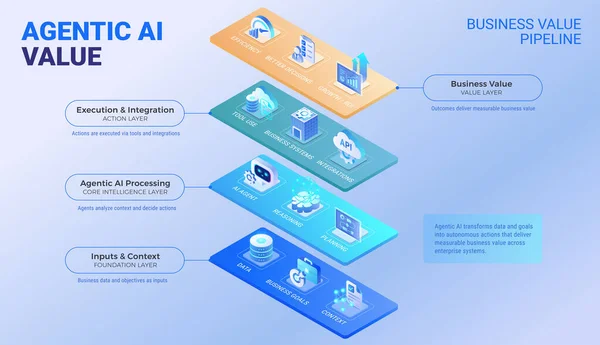
Agentic AI systems bring automation to every stage of the Software Development Life Cycle. Teams can use AI SDLC automation to shorten timelines, improve consistency, and reduce manual load.
Instead of supporting developers at isolated moments, agentic AI becomes a system that stays active across discovery, coding, testing, deployment, and maintenance.
These systems remove friction from workflows. They analyze requirements, produce code prototypes, run automated tests, prepare deployment steps, and monitor application behavior after release.
This end-to-end involvement is what makes agentic AI different from earlier forms of automation.
Requirements and Discovery
Agentic AI systems support intelligent automation in development from the very first phase. They can collect requirements, scan documents, summarize needs, and detect gaps.
This helps development teams begin projects with better clarity and alignment.
Architecture and System Design
During the architecture stage, AI-assisted architecture design allows the system to compare different structural choices.
It can suggest models, evaluate performance concerns, and help teams choose a strong foundation for the project.
Development and Coding
This is where agentic AI systems offer major value. They can perform autonomous code generation for modules or components based on requirements.
They also handle AI code refactoring by cleaning and optimizing existing code.
Developers get cleaner, more consistent code faster and can focus on logic and problem-solving.
Testing and Quality Assurance
“Agentic AI systems run autonomous testing frameworks that create test cases, execute them, analyze results, and highlight failures.”
This shortens QA cycles and ensures testing is continuous rather than driven only by release deadlines.
Deployment and DevOps
AI-powered DevOps tools automate deployment steps, watch infrastructure behavior, and detect early issues. This keeps pipelines steady and reduces operational risk.
The Role of Multi-Agent Workflows in Modern Development
Multi-agent workflows represent one of the biggest advantages of agentic AI systems. Instead of one AI doing everything, different autonomous AI agents work together.
One agent might handle architecture planning, another writes code, another tests it, and another prepares deployment.
This coordination creates a distributed decision-making environment. Work moves forward even while developers review code or plan features.
It increases the speed of delivery and removes repetitive pressure from teams.
Role-Based Agents in the Development Pipeline
Different AI engineering tools act like specialized teammates. Architecture agents evaluate designs. Coding agents build features.
QA agents test and validate quality. DevOps agents automate release steps. Together, they form a continuous development engine.
Enterprise Use Cases of Agentic AI Systems
Enterprise software teams face challenges involving scale, complexity, and speed. Agentic AI systems help solve these problems by creating faster workflows, reducing errors, and giving teams more time for strategic work.
These systems automate tasks that were previously too repetitive or slow. They support enterprise AI adoption by offering reliable automation at critical points in the development lifecycle.
Legacy System Modernization
Agentic AI systems help clean and modernize legacy codebases. Through AI code refactoring, they update old patterns, remove outdated logic, and prepare systems for modern environments.
Accelerated Delivery Pipelines
Autonomous code generation helps teams build faster. When iteration cycles shorten, businesses can release updates more often and respond to customer needs quickly.
Challenges Enterprises Must Address Before Adoption
Adopting agentic AI systems requires planning. Companies must consider governance, cost, security, and integration. They must develop a strong enterprise automation strategy that helps them decide where to begin and how to scale.
Many systems need upgrades to work well with agentic AI. Data security rules must be followed. Teams must stay trained and ready to guide the AI when needed.
Governance and Oversight
AI governance practices help organizations define rules for how AI operates. Human oversight remains important for decisions that impact security, quality, or user experience.
Integration and Infrastructure Constraints
Legacy tools and outdated infrastructure may require updates before integrating agentic AI systems. Teams often adopt new AI engineering tools to ensure system compatibility.
Enterprise Adoption Roadmap
A structured plan helps enterprises adopt agentic AI systems effectively.
Identify High Value Automation Areas
Start with repetitive or time-consuming tasks.
Launch Pilot Programs
Test agentic AI in a small, controlled environment.
Introduce Multi-Agent Workflows
Connect different AI agents to streamline workflows.
Add Governance Layers
Set rules and monitoring processes.
Scale Across Teams
Expand the system once reliability is proven.
How Agentic AI Systems Will Transform Future Development Teams
“Engineering roles will evolve. Developers will spend more time guiding AI, reviewing outputs, and focusing on creative problem-solving. Repetitive coding work will shift to autonomous AI agents.”
Teams will become leaner, faster, and more consistent.
Why CodingKey Is Your Partner for Implementing Agentic AI Systems
Agentic AI systems are shaping the future of software development. They create faster, cleaner, and more reliable development processes.
CodingKey helps enterprises adopt agentic AI systems by building custom workflows, multi-agent solutions, and automated pipelines that match real business needs.
If your organization wants to use AI to build software smarter and faster, CodingKey can guide every step of that journey, so get in touch with us today.